
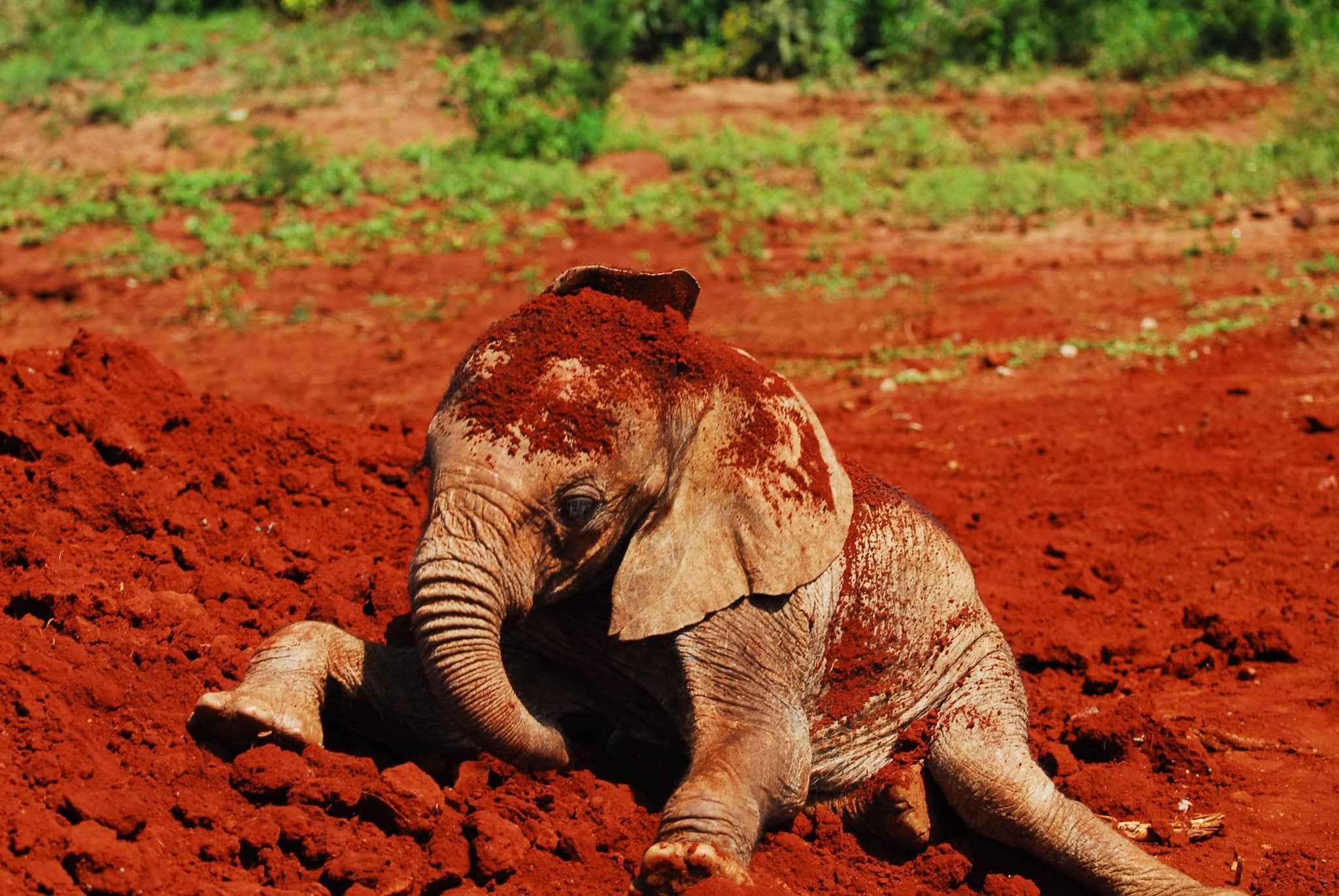
The Sheldrick Wildlife Trust (SWT) stands as one of Kenya’s most remarkable and inspiring conservation achievements, making it an essential destination for anyone visiting Nairobi. Nestled within the boundaries of Национальный парк Найроби, this world-renowned sanctuary is dedicated to the rescue, rehabilitation, and eventual reintroduction of orphaned elephants and rhinos into their natural habitats. By offering these vulnerable animals a second chance at life in the wild, SWT exemplifies a beacon of hope amid the ongoing challenges faced by Africa’s wildlife.
Established in memory of the esteemed conservationist David Sheldrick, the Trust has been at the forefront of innovative elephant rescue methodologies that have since become standard practices across Africa. Visitors to SWT are afforded a unique and intimate glimpse into these efforts during the famous daily public viewing hour—a rare opportunity to witness firsthand the compassionate care and tireless work conducted by dedicated staff.
What Distinguishes Sheldrick Wildlife Trust
Unlike typical wildlife attractions focused primarily on observation or entertainment, SWT functions as an authentic rescue and rehabilitation center deeply committed to animal welfare. The majority of elephants present at the nursery have tragically lost their mothers due to poaching activities, prolonged droughts, or conflicts arising between humans and wildlife.
At the heart of SWT lies the Nairobi Nursery where baby elephants receive meticulous care:
– They are bottle-fed specialized milk formula every few hours designed to meet their nutritional needs.
– Raised by devoted human keepers who fulfill surrogate parental roles, ensuring emotional support and social development.
– Gradually prepared through careful training for reintegration into protected wild areas such as Tsavo National Park.
This experience is profoundly moving and highly educational; visitors not only witness playful interactions such as mud bathing but also learn touching rescue stories behind each individual calf’s journey back from adversity.
Location
The nursery is strategically located inside Nairobi National Park near the Mbagathi Gate (also known as KWS Workshop Gate) along Magadi Road. This prime location offers convenient access:
– Approximately 30–45 minutes’ drive from Nairobi’s Central Business District (CBD).
– Roughly 10–15 minutes from popular Karen area attractions like Giraffe Centre or Karen Blixen Museum.
Its proximity allows visitors to easily combine a trip to SWT with other key sites within Nairobi’s rich tourism landscape.
Visiting Hours
The Sheldrick Wildlife Trust maintains a strict public visiting schedule designed to minimize disturbance while maximizing visitor engagement:
– Daily public viewing session runs from 11:00 AM until 12:00 noon every day except December 25th when closed for Christmas Day observance.
– It is recommended that visitors arrive between 10:30 AM and 10:45 AM for timely admission since latecomers cannot be accommodated once viewing has begun.
During this precisely timed one-hour session attendees can expect to witness an array of captivating activities including elephant milk feeding ceremonies, energetic mud baths where calves playfully roll about in nature’s spa treatment, keeper introductions sharing poignant tales of rescue efforts alongside personal anecdotes about individual elephants.
Please note that punctuality is crucial—late arrivals will not be admitted under any circumstances nor will sessions be extended beyond scheduled times.
Admission Fees (2026 Guide)
Entry donations contribute directly towards sustaining ongoing rescue operations at SWT Nursery:
– Adults aged 12 years and above must contribute a minimum donation of US$20 per person or equivalent in Kenyan Shillings based on current exchange rates.
– Kenyan residents pay Ksh 2,000 upon presentation of valid proof.
– Children under age twelve are charged US$5 or its equivalent for international visitors.
– Kenyan resident children pay Ksh 500 with proof of residency provided at entry point.
It is important that entry donations are made in cash upon arrival on your reserved visit date rather than prepaid online payments.
Additionally, visitors should be aware that this donation fee covers access solely to SWT Nursery; it does not include mandatory Kenya Wildlife Service (KWS) fees required for entry through Mbagathi Gate into Nairobi National Park itself. As per regulations effective September 19th, 2023 all guests must pay Nairobi national park entrance fees irrespective if they proceed into the park or remain exclusively within nursery grounds.
Given this requirement and visitors have already paid park entry fees, it is recommended that they have a сафари game drives inside Nairobi National Park—a spectacular continuation enriching any day trip with sightings ranging from rhinos and lions to giraffes zebras buffaloes leopards among diverse fauna earning its moniker “World’s Wildlife Capital.” Afterwards they can proceed to SWT.
Nairobi National Park Entry Fees
Kenyan Citizens / East African Residents
- Adults: KSH 1,000
- Children (3–18 years): KSH 500
International Visitors (Non-Residents)
- Adults: USD 80
- Children/Students: USD 40
Many visitors also combine SWT with:
What To Expect During Your Visit
Visits follow an organized yet intimate format designed both for education and emotional connection:
– Elephants are introduced individually or in small groups ensuring attentive focus on each calf.
– Keepers share detailed background information including names origin stories highlighting conservation challenges faced.
– Spectators observe critical feeding moments where calves eagerly drink nutrient-rich milk formulas supplied by caretakers.
– Playful antics abound during mud bathing sessions fostering natural behaviours vital for physical health before release.
Photography enthusiasts will appreciate that still images along with video recording are permitted strictly for personal use allowing treasured memories without disruption.
Despite typically sizable crowds drawn by global reputation atmosphere remains remarkably close-knit fostering meaningful bonds between animals staff members guests alike—contributing significantly toward its status as one of Nairobi’s most cherished tourist experiences today.
Best Time To Visit
Sheldrick Wildlife Trust welcomes guests year-round without seasonal closures experienced elsewhere in Kenya:
Dry season months spanning June through October plus January-February provide optimal travel conditions facilitating smoother road access around park perimeter gates minimizing delays common during rainy periods when roads may become challenging;
Visitors aiming for seamless entry should arrive early particularly during peak tourist seasons when traffic congestion at Mbagathi Gate can occur slowing arrival times considerably;
To maximize exploration opportunities many travelers complement their visit here with excursions nearby:
• Giraffe Centre – home renowned Rothschild giraffes offering close encounters involving feeding sessions educational exhibits;
• Karen Blixen Museum – historic homestead preserving legacy author Out Of Africa featuring guided tours capturing colonial era lifestyle;
• Game drives inside Nairobi National Park presenting chance encounters with large mammals iconic African species against backdrop urban wilderness interface unique worldwide.
In conclusion attending Sheldrick Wildlife Trust offers much more than mere sightseeing—it provides profound insight into contemporary conservation successes alongside nurturing empathy toward endangered species through immersive interaction backed by credible scientific management practices essential if we hope future generations inherit thriving native ecosystems intact across African landscapes today.
 English
  Spanish
  Italian
  Russian
  Chinese
  German
  French