
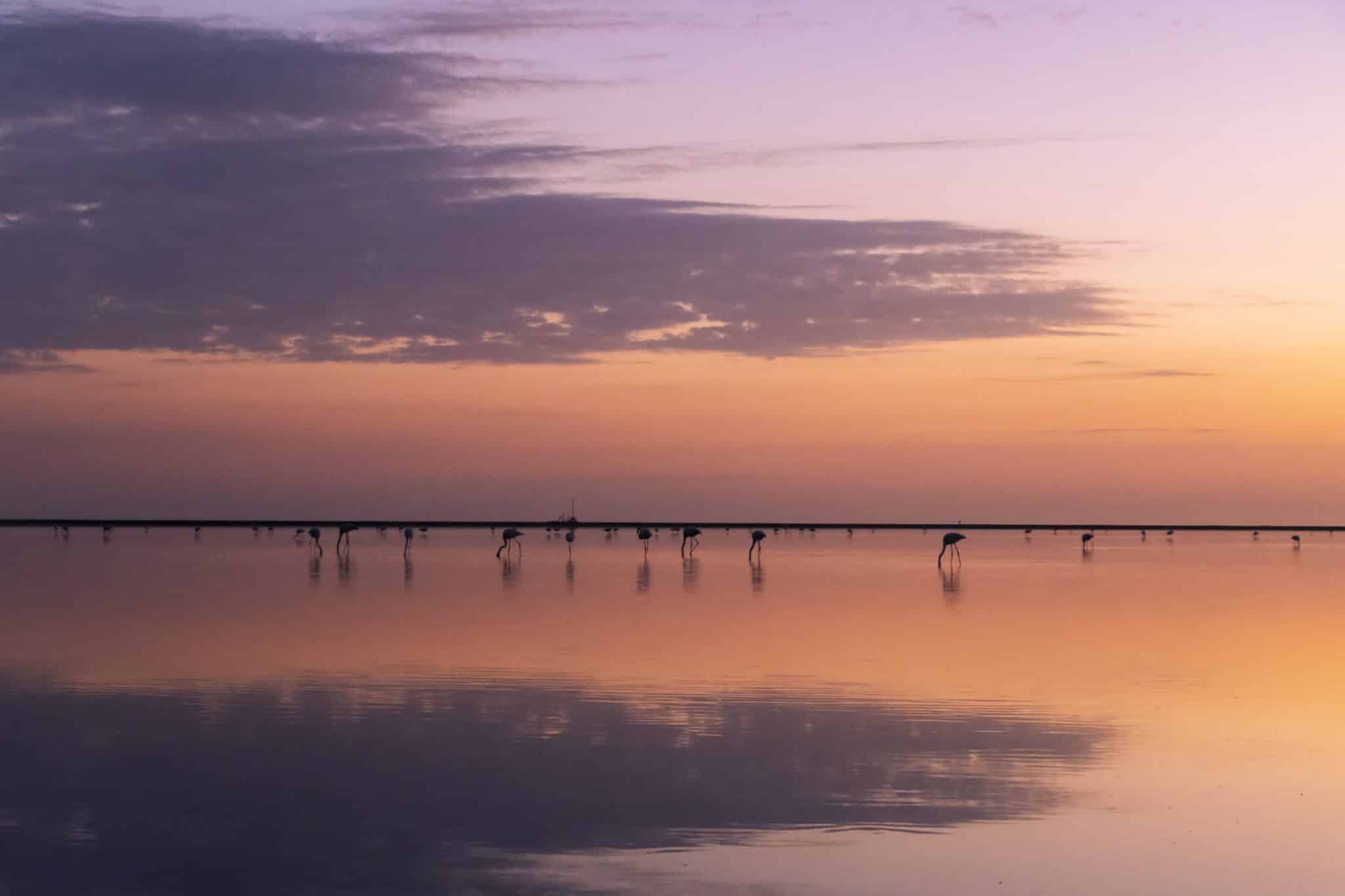
Flamingos in Kenia: Zwerg- und Rosaflamingos der Rift Valley Seen
Flamingos gehören zu den ikonischsten und visuell auffälligsten Vögeln Afrikas, die durch ihre langen, schlanken Beine, elegant geschwungenen Hälse und ihr leuchtend rosa Gefieder, das in der Sonne oft fast leuchtend erscheint, sofort erkennbar sind. Ihre unverkennbare Silhouette ist zu einem Symbol für Afrikas Feuchtgebiete und Salzseen geworden und fesselt die Fantasie von Vogelbeobachtern, Fotografen und Gelegenheitsreisenden gleichermaßen.
Das Große Ostafrikanische Rift in Kenia gilt weithin als eine der besten Regionen der Welt, um Flamingos in ihrem natürlichen Lebensraum zu beobachten. Dieser weitläufige geologische Graben, der vor Millionen von Jahren entstanden ist, ist mit einer Kette von alkalischen und Süßwasserseen übersät, die ideale Bedingungen für diese Vögel bieten. Insbesondere das berühmte Kenianische Seensystem – zu dem Seen wie Nakuru, Bogoria und Elementaita gehören – beherbergt einige der größten jemals verzeichneten Flamingokonzentrationen, die die Wasseroberflächen in schillernde rosa Teppiche verwandeln, wenn sich die Vögel in riesigen Zahlen versammeln.
Besucher auf Safari in diesen Gebieten können wirklich spektakuläre Szenen erleben: immense Schwärme, die in den flachen Gewässern nach Nahrung suchen, ihre Köpfe synchron auf- und abnickend, während sie Algen und kleine Wirbellose filtern; lange, anmutige Vogelreihen, die in die Luft aufsteigen, ihre schwarzspitzen Flügel gegen den blauen Himmel blitzend; und dichte Kolonien, die sich entlang der Ufer ansiedeln, wo Schlammhügel als erhöhte Plattformen für ihre Eier dienen. All dies spielt sich vor der Kulisse atemberaubender alkalischer Seenlandschaften ab, gekennzeichnet durch schimmerndes Wasser, mit Mineralien verkrustete Ufer und oft einen dramatischen Kranz von Hügeln oder Steilhängen, die den Horizont einrahmen.
Die am häufigsten in Kenia vorkommenden Flamingospecies sind der Zwergflamingo und der Rosaflamingo, die beide perfekt an das Leben in flachen, mineralreichen Seen angepasst sind. Der Zwergflamingo, kleiner und zahlreicher, hat sich auf die Fütterung von mikroskopischen blaugrünen Algen spezialisiert, die in alkalischen Bedingungen gedeihen und zur intensiven rosa Färbung der Vögel beitragen. Der größere Rosaflamingo mit seinem blasseren Gefieder und einem robusteren Schnabel kann eine größere Bandbreite an Nahrungsmitteln konsumieren, darunter Krustentiere und kleine Wasserorganismen. Gemeinsam sind diese Arten ein Beispiel dafür, wie die Tierwelt hochspezialisierte körperliche und verhaltensbezogene Eigenschaften entwickeln kann, um in Umgebungen zu gedeihen, die sonst als rau und unwirtlich erscheinen mögen.
Wo man Flamingos in Kenia sehen kann
Die besten Orte zur Flamingobeobachtung befinden sich in den Kenia-See-System in dem Großer Grabenbruch, a UNESCO-Welterbe Region, die Folgendes umfasst:
Diese alkalischen Seen bieten dank des reichlich vorhandenen Algen-, Krebs- und Mikroorganismenbestands, von dem Flamingos zum Überleben abhängig sind, ideale Futtergründe.
Flamingo-Eigenschaften & Fressverhalten
Flamingos sind hochspezialisierte Watvögel, die einzigartig angepasst sind, um in flachen, oft alkalischen oder salzhaltigen Gewässern wie Sodaseen, Lagunen und Küstenfeuchtgebieten zu fressen. Ihre außergewöhnlich langen Beine ermöglichen es ihnen, in tiefere Bereiche zu waten, die viele andere Vögel nicht erreichen können, was ihnen einen Wettbewerbsvorteil bei der Nahrungssuche verschafft. Darüber hinaus ermöglichen ihnen ihre länglichen, flexiblen Hälse und die ausgeprägt gekrümmten Schnäbel, Nahrung unter der Wasseroberfläche mit bemerkenswerter Präzision zu erreichen und zu manipulieren.
Bei der Futteraufnahme wenden Flamingos eine charakteristische Technik an, bei der sie ihre Köpfe umdrehen und ihre Schnäbel im Wasser oder im weichen Schlamm von einer Seite zur anderen bewegen. Dabei saugen sie Wasser und Sedimente in ihre Mäuler und stoßen diese dann aus, wobei sie essbares Material effektiv herausfiltern. Ihre Ernährung umfasst üblicherweise:
• Blaualgen
Salinenkrebs
• Wasserinsekten und ihre Larven
Schnecken
Kleine Krebstiere und andere winzige Wirbellose
Das Innere des Schnabels eines Flamingos ist mit speziellen Borsten ausgekleidet, sogenannten Lamellen, die wie ein fein abgestimmtes Sieb oder ein natürliches Filtersystem funktionieren. Diese Strukturen ermöglichen es Flamingos, winzige Nahrungspartikel mit großer Effizienz vom Wasser zu trennen, was eine Ernährung unterstützt, die stark auf kleine, oft mikroskopische Organismen angewiesen ist. Mit der Zeit haben dieses Fressverhalten und die spezialisierte Anatomie es Flamingos ermöglicht, in Umgebungen zu gedeihen, die für viele andere Arten zu unwirtlich sind.
Flamingos sind auch hochsoziale Vögel und versammeln sich häufig in riesigen Kolonien, die Zehn- oder sogar Hunderttausende von Individuen umfassen können. Innerhalb dieser Schwärme fressen, ruhen und brüten sie, wobei sie durch schiere Masse Schutz finden und von gemeinsamen Informationen über geeignete Futterplätze profitieren. Wenn sie sich in die Luft erheben, fliegen Flamingos in Reihen oder lockeren V-Formationen, strecken ihre Hälse nach vorne und ihre Beine gerade nach hinten. Diese Haltung trägt nicht nur zur aerodynamischen Effizienz bei, sondern schafft auch eines der auffälligsten und denkwürdigsten Naturschauspiele Kenias, wenn rosafarbene Vogelscharen über schimmernden Seen und weiten Ebenen am Himmel ziehen.
Zwergflamingo

Der Zwergflamingo ist die häufigere der beiden Flamingosarten und bekannt für seine intensive, leuchtend rosa Farbe, die ihn unter Wasservögeln sofort erkennbar macht. Sein auffälliges Aussehen, kombiniert mit seiner sehr geselligen Natur, hat die Art zu einem ikonischen Anblick an vielen afrikanischen Alkaliseen und in bestimmten Regionen Indiens und Pakistans gemacht.
Hauptmerkmale:
Der Zwergflamingo ist merklich kleiner als der Rosaflamingo, was ihm ein zarteres und kompakteres Aussehen verleiht. Trotz seiner geringeren Größe weist er tiefrosa Gefieder auf, das bei gutem Licht fast karmesinrot erscheinen kann, insbesondere an den Flügeln und am Körper. Sein Schnabel ist ein charakteristisches blassrosa, das sich scharf mit einer ausgeprägten schwarzen Spitze abhebt und selbst aus der Ferne ein leicht erkennbares Profil bildet. Jungvögel unterscheiden sich stark von den Erwachsenen; sie sind grau-weiß gefärbt, mit matteren Tönen, die eine bessere Tarnung bieten, und entwickeln allmählich ihre rosa Farbtöne, wenn sie reifen und sich ihre Ernährung ändert. Als hochsoziale Art werden Zwergflamingos selten allein angetroffen und stattdessen typischerweise in riesigen, dicht gedrängten Schwärmen beobachtet, wo ihre kollektiven Bewegungen und Rufe ein beeindruckendes Naturschauspiel bilden.
Fütterung
Zwergflamingos sind hauptsächlich Oberflächenfresser und speziell darauf angepasst, Nahrungsressourcen zu nutzen, die viele andere Vögel nicht erreichen können. Mit ihren einzigartig geformten, nach unten gekrümmten Schnäbeln schöpfen und filtrieren sie mikroskopisch kleine blaugrüne Algen und andere winzige Organismen aus den Oberflächenschichten stark alkalischer oder salzhaltiger Seen. Sie fressen oft mit kopfüber im Wasser gehaltenem Kopf und bewegen ihre Schnäbel von Seite zu Seite, während feine Lamellen im Schnabel wie ein Sieb wirken. Diese spezialisierte Ernährung aus pigmentierten Algen und kleinen Wirbellosen ist reich an Carotinoiden, den natürlichen Pigmenten, die den Vögeln allmählich ihre leuchtend pinke und rote Färbung verleihen. Folglich kann die Intensität der Gefiederfärbung eines einzelnen Vogels die Qualität und Verfügbarkeit von Nahrung in seinem Lebensraum widerspiegeln.
Zucht
Zwergflamingos brüten in riesigen, dichten Kolonien, die weit über eine Million Paare umfassen können und einige der größten bekannten Ansammlungen jeder Vogelart bilden. Diese Kolonien befinden sich normalerweise in abgelegenen, unwirtlichen Umgebungen, die für wenige Raubtiere leicht zugänglich sind. Nester werden aus Schlamm gebaut, mühsam zu kleinen kegelförmigen Hügeln aufgeschichtet, die das einzelne Ei über der heißen, oft durchnässten Oberfläche halten. Diese Nistplätze befinden sich typischerweise auf isolierten Salz- oder Schlammebenen, wo die offene Umgebung eine gute Sicht bietet und Eier und Küken vor terrestrischen Raubtieren schützt. Die schiere Größe der Kolonie, kombiniert mit dem synchronisierten Brutverhalten der Vögel, bietet auch Sicherheit in der Masse, da Raubtiere überfordert werden können und das individuelle Risiko in der dicht gedrängten Menge reduziert wird.
GGroßer Flamingo

Der Rosaflamingo ist im Allgemeinen größer und blasser als andere Flamingosorten, mit einem eleganteren rosa-weißen Aussehen, das ihm in großen Gruppen ein unverwechselbares, fast ätherisches Aussehen verleiht. Seine Gesamtfärbung ist weicher und weniger intensiv rosa als die des Zwergflamingos, was einen zarteren Kontrast zum Wasser und Himmel in seinen Feuchtgebieten bildet.
Hauptmerkmale:
Diese Art zeichnet sich durch ihre größere Körpergröße und eine beeindruckende Flügelspannweite aus, was sie zu einem der visuell auffälligsten Watvögel in ihrem Verbreitungsgebiet macht. Ihr Gefieder reicht von sehr blassem Rosa bis fast reinweiß, oft mit einem sanften Farbschimmer, der auf den Flügeln stärker ausgeprägt ist. Der Schnabel ist ein charakteristisches Pink mit einer klar definierten schwarzen Spitze, was ein nützliches Merkmal zur Unterscheidung von ähnlichen Arten ist. Im Flug oder beim Ausstrecken der Flügel sind rötliche oder tiefrosa Akzente in den Flügelgefiedern zu erkennen, die zu ihrem unverwechselbaren Aussehen beitragen. Flamingos bilden auch tendenziell kleinere Kolonien als Zwergflamingos und versammeln sich oft in lockerer strukturierten Gruppen anstatt in extrem dichten Schwärmen, obwohl sie in geeigneten Lebensräumen immer noch in großer Zahl anzutreffen sind.
Fütterung:
Große Flamingos ernähren sich hauptsächlich, indem sie langsam durch flaches Wasser waten, oft in Lagunen, Flussmündungen und Salz- oder Brackwasserseen. Während sie sich bewegen, durchwühlen sie mit ihren Füßen den weichen Schlamm und verwenden eine sanfte Paddel- oder Schiebebewegung, um kleine Organismen in Schwebe zu bringen. Dann senken sie ihre Köpfe und fegen mit ihren nach unten gebogenen Schnäbeln durch das Wasser und filtern Schlamm und Wasser durch spezialisierte Borsten oder Lamellen im Schnabel. Diese Strukturen wirken wie ein feines Sieb, das es dem Vogel ermöglicht, winzige Nahrungspartikel wie Insekten, Weichtiere, Krebstiere und kleine Wasserwirbellose einzufangen, während überschüssiges Wasser und Schlick ausgestoßen werden. Diese hocheffiziente Filterfuttermethode ermöglicht es ihnen, Nahrungsressourcen zu nutzen, auf die viele andere Vögel nicht ohne Weiteres zugreifen können.
Nisten
Für die Zucht bauen Große Flamingos hoch aufragende, kegelförmige Nester, die hauptsächlich aus Schlamm bestehen, den sie mit Schnabel und Füßen sammeln und formen. Diese Nester können mehrere zehn Zentimeter über dem umgebenden Boden oder Wasserspiegel emporragen und helfen so, das Ei vor Überschwemmungen und kleineren Störungen zu schützen. An der Spitze des Schlammhügels formen sie eine flache Vertiefung, in die ein einzelnes Ei gelegt und abwechselnd von beiden Eltern sorgfältig bebrütet wird. In felsigeren oder schlammärmeren Umgebungen können sie Steine, Kiesel und andere verfügbare Materialien verwenden, um eine erhöhte Plattform zu bilden, was ein bemerkenswertes Maß an Anpassungsfähigkeit in ihrem Nistverhalten zeigt. Diese Flexibilität beim Nestbau ermöglicht es Großen Flamingos, eine Vielzahl von Feuchtgebieten zu besiedeln und erfolgreich zu züchten, von Küstensalzpfannen und Binnenseen bis hin zu künstlichen Rückhaltebecken, vorausgesetzt, dass geeignete Futterplätze und relativ ungestörte Nistplätze vorhanden sind.
Tourrouten, die Sie zu den Flamingo-Hotspots führen

3 Tage Lake Nakuru Safari : Diese dreitägige Safari bietet die einmalige Gelegenheit, den Lake Nakuru National Park zu erkunden, der für seine atemberaubende Flamingopopulation und seine vielfältige Tierwelt bekannt ist. Besucher können Tausende von Flamingos an den Ufern beobachten, die einen leuchtend rosafarbenen Wandteppich auf dem schimmernden See bilden. Der Park beherbergt auch Spitz- und Breitmaulnashörner, Löwen und verschiedene Antilopenarten. Diese Safari verspricht ein Abenteuer in einem der kultigsten Reservate Kenias, das seine reiche Artenvielfalt und atemberaubenden Landschaften vorstellt. Reiseroute und Kosten anzeigen.

4 Tage Lake Nakuru und Masai Mara Safari : Unsere 4-tägige Kenia-Safari erkundet zwei bekannte Wildtier-Destinationen. Die Reise beginnt im Lake Nakuru National Park, einer UNESCO-Welterbestätte, die für ihre atemberaubenden Landschaften und ihr lebendiges Ökosystem bekannt ist, wo Besucher riesige Schwärme von Flamingos und eine vielfältige Tierwelt beobachten können. Anschließend geht es in das berühmte Masai Mara National Reserve, das für seine Wildtierbeobachtungen berühmt ist, darunter die "Big Five" - Löwen, Leoparden, Elefanten, Büffel und Nashörner - sowie andere faszinierende Tierarten. Die Teilnehmer erleben eine außergewöhnliche Tierwelt und lernen die kenianische Maasai-Kultur kennen. Diese Safari verspricht eine unvergessliche Reise durch Afrikas spektakuläre Landschaften. Reiseroute und Kosten anzeigen
 English
  Spanish
  Italian
  Russian
  Chinese
  German
  French