
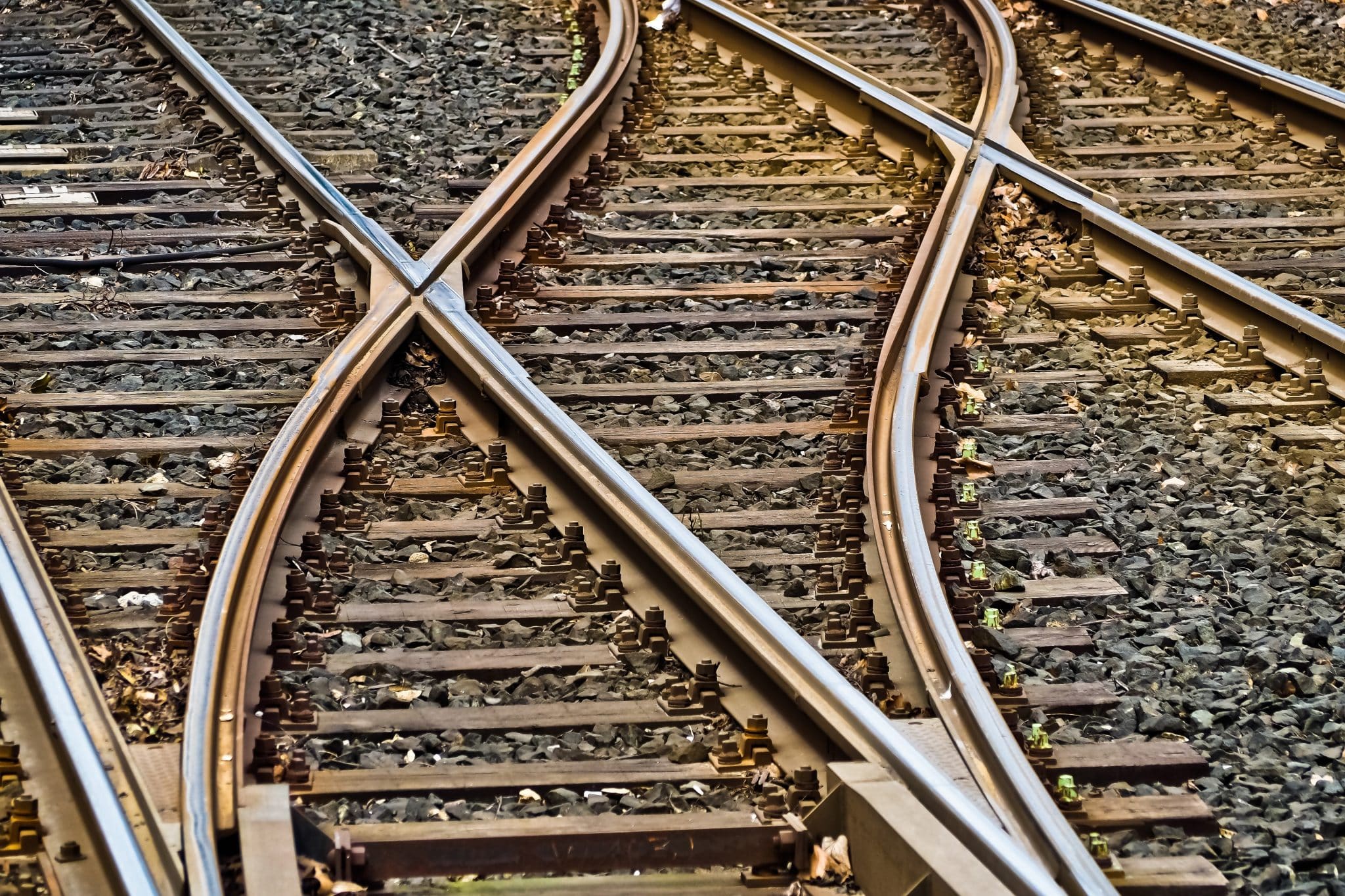
Le train SGR du Kenya : De la prophétie du “ serpent de fer ” à l’expérience d’un safari moderne
Le Standard Gauge Railway (SGR) représente l'un des projets d'infrastructure les plus ambitieux et modernes jamais entrepris par le gouvernement kényan. Plus qu'un simple train, il symbolise une transformation puissante du réseau de transport du Kenya et un lien fascinant entre le folklore ancien, l'histoire coloniale et le voyage moderne.
Bien avant l'arrivée des Européens en Afrique de l'Est, les traditions orales du peuple Kalenjin parlaient d'un mystérieux “ serpent de fer ” qui se faufilerait sur la terre, dévorant du bétail et apportant de profonds changements. Selon la légende, ce serpent de fer annoncerait l'arrivée d'étrangers qui dirigeraient les communautés locales et remodèleraient leur mode de vie.
Lorsque le chemin de fer Kenya–Ouganda a finalement été construit à la fin du 19e siècle, beaucoup ont vu la prophétie comme remarquablement symbolique. Le chemin de fer, plus tard surnommé le “Train des Fous,” Il est devenu l'un des projets d'ingénierie les plus spectaculaires de son époque, reliant la côte de l'océan Indien à l'intérieur de l'Afrique de l'Est et modifiant à jamais le paysage social, économique et politique de la région.
La naissance de l'ère du chemin de fer au Kenya
La construction du chemin de fer d'origine a débuté en 1896 à partir de la ville côtière de Mombasa et a atteint Kisumu, sur le lac Victoria, en 1901. L'exploitation a commencé peu après, créant un corridor de transport crucial reliant l'Ouganda et le Kenya.
Ce chemin de fer a ouvert l'accès à l'intérieur des terres pour le commerce, l'administration et les premières expéditions de safari. Au fil du temps, des lignes secondaires ont permis aux voyageurs et aux explorateurs d'atteindre des paysages reculés et des régions riches en faune qui deviendraient plus tard certains des parcs nationaux les plus célèbres d'Afrique.
Aujourd'hui, les visiteurs peuvent encore explorer cette histoire fascinante au Musée ferroviaire de Nairobi, où des locomotives vintage, des photographies et des artefacts révèlent comment le chemin de fer a façonné le développement du Kenya.
L'essor du chemin de fer à voie normale (SGR)
Après plus d'un siècle de service de l'ancien chemin de fer à voie métrique, le Kenya a introduit un remplaçant moderne : le chemin de fer à voie normale.
Le SGR se connecte Mombasa et Nairobi, couvrant environ 480 kilomètres. Le temps de trajet entre les deux villes a été réduit d'environ dix heures par la route à environ quatre heures par train, ce qui en fait l'un des moyens de transport les plus efficaces pour traverser le pays.
En tant que l'un des investissements d'infrastructure les plus importants du Kenya depuis l'indépendance, le SGR soutient le transport de passagers et de marchandises et fait partie d'une vision plus large visant à étendre la connectivité ferroviaire à travers l'Afrique de l'Est.
Un voyage pittoresque à travers les paysages sauvages du Kenya
Voyager sur le SGR est plus qu'un simple moyen de transport, c'est une expérience en soi. Le trajet offre des vues panoramiques sur la campagne kenyane, avec des sections du chemin de fer passant à proximité de parcs nationaux et d'habitats fauniques.
Les passagers aperçoivent souvent des girafes, des zèbres, des antilopes et des éléphants le long de la route, surtout lorsqu'ils traversent Tsavo ouest et Parc national de Tsavo, l'une des plus grandes zones de conservation de la faune du Kenya. Par temps clair, les voyageurs peuvent même apercevoir le sommet enneigé du Mont Kilimandjaro au loin.
Pourquoi inclure le SGR dans votre itinéraire de safari ?
L'ajout du train SGR à votre itinéraire de safari au Kenya offre à la fois commodité et aventure. Après des jours de safaris à travers des terrains accidentés, monter à bord du train offre un transfert confortable et relaxant entre les destinations.
Que vous voyagiez de Nairobi à la côte ou que vous combiniez votre safari avec des vacances à la plage à Mombasa ou à Diani, le SGR offre :
-
Voyage plus rapide et plus confortable
-
Vues panoramiques des paysages et de la faune du Kenya
-
Une expérience historique et culturelle unique
-
Une connexion harmonieuse entre les parcs animaliers et les stations balnéaires
Pour de nombreux voyageurs, le trajet en train devient un moment fort de leur périple, mêlant histoire, ingénierie moderne et paysages à couper le souffle en une expérience mémorable.
Comment réserver le train SGR du Kenya
La réservation d'un siège sur le Standard Gauge Railway (SGR) est simple et peut se faire de plusieurs manières pratiques. Que vous voyagiez depuis Nairobi à Mombasa ou pour rejoindre votre destination balnéaire ou de safari, voici comment sécuriser votre billet.
1. Réservez en ligne via le site Web de Kenya Railways
Vous pouvez réserver directement sur le site officiel Kenya Railways portail de réservation en ligne.
Étapes :
-
Visitez le site web de réservation Kenya Railways SGR
-
Sélectionnez l'itinéraire (Nairobi–Mombasa ou Mombasa–Nairobi)
-
Choisissez la date de voyage et la classe (Première Classe ou Économique)
-
Saisissez les détails du passager
-
Payez par mobile money (M-Pesa), carte ou autre option prise en charge
-
Recevoir un e-billet par SMS ou e-mail
La réservation en ligne est recommandée, en particulier pendant les saisons de safari les plus prisées telles que de juillet à octobre et pendant les vacances de décembre.
2. Réserver par téléphone mobile (USSD)
Si vous êtes déjà au Kenya, vous pouvez réserver via votre téléphone :
-
Composez le *639#
-
Suivre les instructions pour sélectionner l'itinéraire et la date
-
Payer via M-Pesa
-
Recevez une confirmation et les détails de votre billet par SMS
C'est l'une des méthodes les plus populaires pour les voyageurs locaux et internationaux possédant des cartes SIM kenyanes.
3. Acheter les billets à la gare
Les billets peuvent également être achetés en personne dans les gares SGR, notamment :
-
Gare de Nairobi
-
Gare de Mombasa
Il est préférable d'arriver tôt, car les trains sont souvent complets, en particulier les départs le matin et les services du week-end.
4. Réserver par l'intermédiaire d'un voyagiste
Pour une expérience de safari sans accroc, de nombreux voyageurs préfèrent réserver le SGR par l'intermédiaire de leur tour-opérateur. Les entreprises comme Kichaka Tours et voyages pouvoir
-
Réserver des billets de train en votre nom
-
Organiser les transferts vers et depuis les gares
-
Combiner le voyage SGR avec des forfaits safari
-
Coordonner les connexions d'hôtels ou de complexes hôteliers en bord de mer
Cette option est idéale si vous prévoyez un safari suivi de vacances à la plage à Mombasa ou à Diani.
Vous pouvez réserver le train ici.
Classes et Conseils de Voyage SGR
Classe affaires
- Ultra luxe
- Offre de la confidentialité
Première classe :
-
Sièges plus spacieux
-
Moins de passagers par wagon
-
Plus calme, idéal pour les couples et les familles
Classe Économique :
-
Confortable et abordable
-
Populaire auprès de la plupart des voyageurs
Conseils de voyage :
-
Transportez votre passeport ou votre pièce d'identité (obligatoire pour l'embarquement)
-
Arrivez au moins 1 heure avant le départ
-
Les trains du matin offrent les meilleures observations de la faune
-
Emballez des collations et un appareil photo pour les vues panoramiques
 English
  Spanish
  Italian
  Russian
  Chinese
  German
  French